
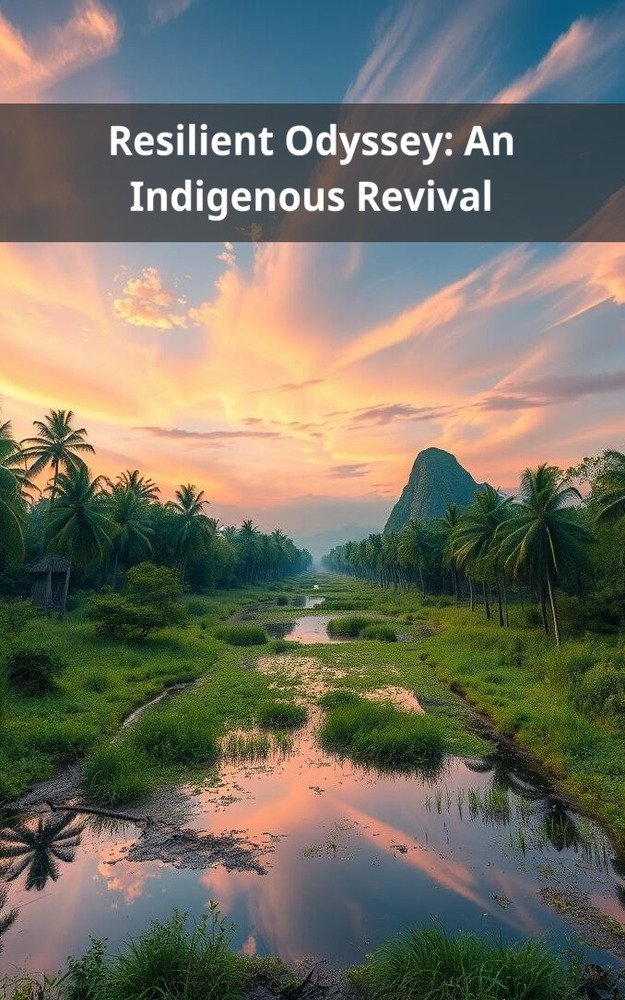
Description
With eloquence and passion, the contributors to this volume illuminate the complexities of Indigenous identity in a globalized world, highlighting the evolving nature of Indigenous cultures, the delicate balance between tradition and progress, and the enduring strength and resilience of Indigenous communities. They delve into the significance of language and cultural preservation, emphasizing the vital role of Indigenous languages in maintaining cultural identity and the challenges of language revitalization in the face of assimilation and colonization.
The book confronts the devastating impact of colonization and its lingering effects on Indigenous communities, shedding light on the historical and ongoing consequences of land dispossession, forced assimilation, and intergenerational trauma. Yet, it also celebrates the resilience and determination of Indigenous peoples, highlighting their ongoing fight for rights, sovereignty, and self-determination.
Indigenous perspectives on environmental stewardship offer a profound lesson in harmony and sustainability. The contributors explore the deep connection between Indigenous peoples and the land, their traditional ecological knowledge and practices, and their role as guardians of the natural world. They emphasize the importance of recognizing Indigenous knowledge and practices in shaping environmental policies and address the urgent need for collective action to address the impacts of climate change on Indigenous communities.
Indigenous political empowerment takes center stage, as the book examines the history of Indigenous self-governance, the challenges of political participation, and the significance of Indigenous representation in government. It celebrates the achievements of Indigenous political leaders and the ongoing struggle for self-determination and sovereignty.
Throughout the book, the power of Indigenous cultural expression is celebrated, showcasing the vibrancy and diversity of Indigenous arts, crafts, music, and storytelling. The contributors explore the role of Indigenous cultural expression as a form of resistance, a means of preserving identity, and a source of healing and empowerment. They emphasize the importance of supporting and promoting Indigenous cultural expression as a vital part of reconciliation and decolonization efforts.
If you like this book, write a review!
Language : English
Dimensions : 6 x 9 inches
Pages : 181 pages
Pasquale De Marco stands as a prolific author whose literary prowess knows no bounds. With a passion for storytelling that transcends genres, he has made a name for himself as a versatile writer with the extraordinary ability to captivate readers across diverse literary landscapes. His journey as an author is marked by an insatiable curiosity, a love for the written word, and a relentless commitment to sharing knowledge and experiences with the world.
Pasquale De Marco collaborates with a dedicated team of ghostreaders who assist him in evaluating and editing the manuscripts. His collaborators are not only skilled professionals but also avid readers who purchase and read books as a personal hobby. This unique blend of creativity allows Pasquale to push the boundaries of traditional publishing, making literature more accessible and diverse.




Reviews
There are no reviews yet