
Description
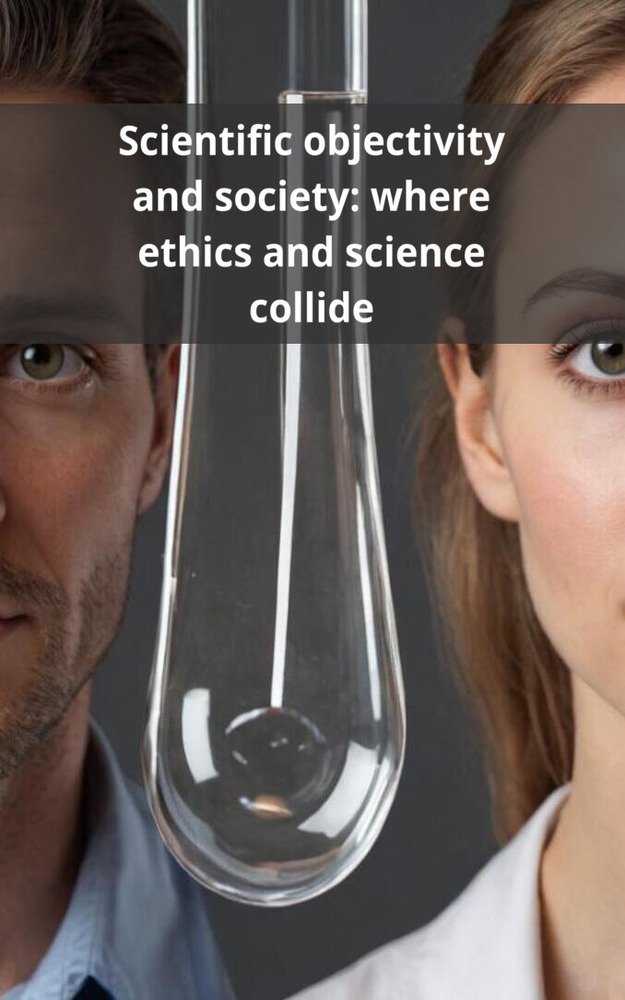
In this book, we explore the complex relationship between science and society. We examine the ways in which science can be used to promote progress and improve our lives, as well as the ways in which it can be misused to justify harmful or unethical practices. We also consider the ethical responsibilities of scientists and the challenges of communicating science to the public.
The book is divided into ten chapters, each of which explores a different aspect of the relationship between science and society. The first chapter examines the illusion of objectivity, arguing that all scientific research is influenced to some degree by the personal beliefs and values of the researchers. The second chapter explores the complex relationship between science and society, arguing that science can both benefit and harm society, and that it is important to be aware of the potential risks and benefits of scientific research.
The third chapter examines the ethical challenges of evolution and genetic engineering, arguing that these technologies have the potential to be used for both good and evil, and that it is important to have a thoughtful and informed discussion about their ethical implications. The fourth chapter examines the limits of reductionism, arguing that while reductionism can be a useful tool for understanding complex systems, it is important to be aware of its limitations and to avoid the temptation to oversimplify complex phenomena.
The fifth chapter examines the power and perils of technology, arguing that while technology can be a powerful force for good, it can also be used for harmful purposes, and that it is important to be aware of the potential risks and benefits of new technologies before they are widely adopted. The sixth chapter examines the importance of interdisciplinarity, arguing that combining different disciplines can lead to new insights and discoveries that would not be possible if researchers worked in isolation.
The seventh chapter examines the scientific method, arguing that while the scientific method is a powerful tool for understanding the world around us, it is important to be aware of its limitations and to avoid the temptation to overinterpret scientific results. The eighth chapter examines the nature of reality, arguing that there is no one true reality, but rather that our understanding of reality is constantly evolving as we learn more about the world around us.
The ninth chapter examines the relationship between science and religion, arguing that science and religion are not necessarily incompatible, and that it is possible to be both a scientist and a person of faith. The tenth and final chapter examines the future of science, arguing that science is facing a number of challenges, but also that it has the potential to make great progress in the years to come.
This book is intended for a general audience, and no prior knowledge of science is assumed. It is written in a clear and concise style, and it is designed to be accessible to readers of all backgrounds.
If you like this book, write a review!
Language : English
Dimensions : 6 x 9 inches
Pages : 182 pages
Pasquale De Marco stands as a prolific author whose literary prowess knows no bounds. With a passion for storytelling that transcends genres, he has made a name for himself as a versatile writer with the extraordinary ability to captivate readers across diverse literary landscapes. His journey as an author is marked by an insatiable curiosity, a love for the written word, and a relentless commitment to sharing knowledge and experiences with the world.
Pasquale De Marco collaborates with a dedicated team of ghostreaders who assist him in evaluating and editing the manuscripts. His collaborators are not only skilled professionals but also avid readers who purchase and read books as a personal hobby. This unique blend of creativity allows Pasquale to push the boundaries of traditional publishing, making literature more accessible and diverse.


Reviews
There are no reviews yet