
Description
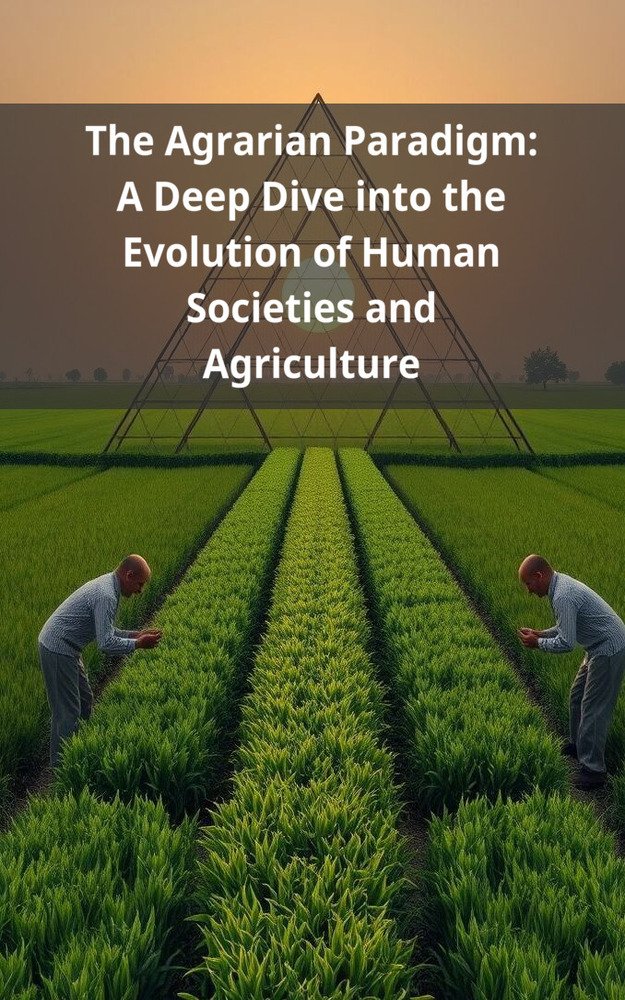
We delve into the origins of agriculture, tracing its roots back to the hunter-gatherer societies that first transitioned to a settled lifestyle. We examine the Neolithic Revolution, a pivotal moment in human history that witnessed the rise of agriculture and the emergence of permanent settlements.
We explore the diversity of agrarian societies that have existed throughout history, from the ancient civilizations of Mesopotamia and China to the agrarian communities of Europe and the Americas. We analyze the common features that unite these societies, such as their reliance on agriculture as the primary source of sustenance, their social structures, and their political systems. We also investigate the challenges that agrarian societies have faced, from environmental degradation to social inequality and political instability.
We delve into the agrarian ideal, a vision of harmony and abundance that has inspired poets, philosophers, and politicians for centuries. We examine the values and beliefs that underpin this ideal, as well as the challenges of achieving it in practice. We explore the agrarian landscape, a reflection of human ingenuity and cooperation with nature, and the agrarian community, a source of identity and belonging for countless generations.
We trace the history of agrarian movements, from the populist and socialist movements of the 19th and 20th centuries to the sustainable agriculture movement of today. We examine the struggles of farmers and rural communities for justice, equity, and a more sustainable relationship with the land. We also explore the role of agrarian culture in expressing the values and traditions of rural communities, from art and literature to music and festivals.
As we look to the future, we consider the challenges facing agrarianism in the 21st century, from climate change and resource scarcity to the changing global food system. We examine the potential of agroecology, a holistic approach to agriculture that seeks to mimic natural ecosystems, and the role of technology in creating more sustainable and resilient agricultural practices. We also discuss the importance of policy and governance in creating an enabling environment for sustainable agrarian development.
Ultimately, this book is an invitation to explore the multifaceted world of agrarianism, to understand its historical significance, its present challenges, and its potential for shaping a more sustainable and just future.
If you like this book, write a review!
Language : English
Dimensions : 6 x 9 inches
Pages : 211 pages
Pasquale De Marco stands as a prolific author whose literary prowess knows no bounds. With a passion for storytelling that transcends genres, he has made a name for himself as a versatile writer with the extraordinary ability to captivate readers across diverse literary landscapes. His journey as an author is marked by an insatiable curiosity, a love for the written word, and a relentless commitment to sharing knowledge and experiences with the world.
Pasquale De Marco collaborates with a dedicated team of ghostreaders who assist him in evaluating and editing the manuscripts. His collaborators are not only skilled professionals but also avid readers who purchase and read books as a personal hobby. This unique blend of creativity allows Pasquale to push the boundaries of traditional publishing, making literature more accessible and diverse.




Reviews
There are no reviews yet