
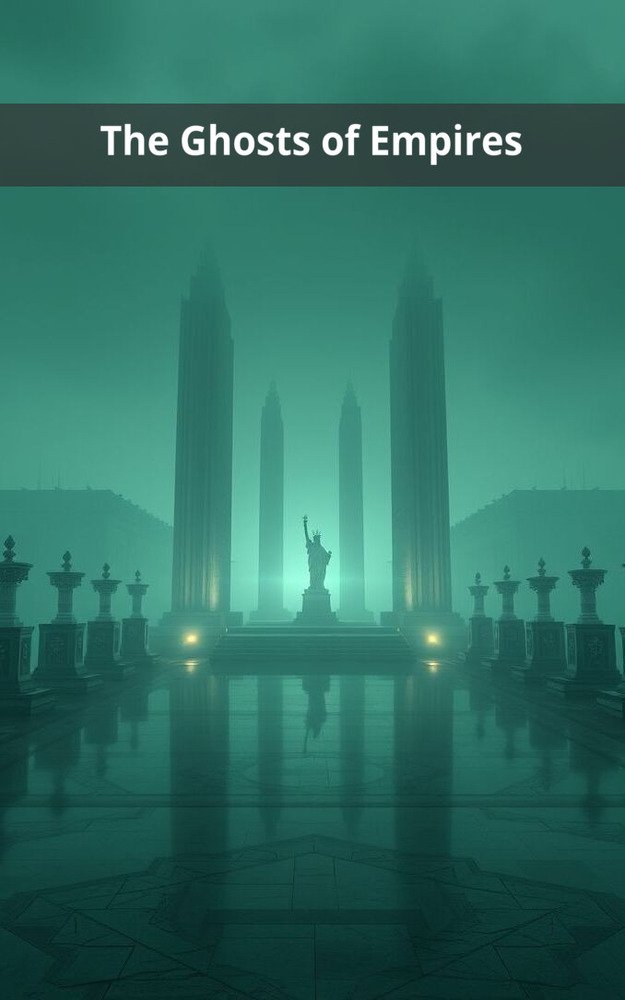
Description
We delve into the concept of empire itself, examining its various forms and manifestations throughout history. From the vast and centralized empires of ancient Rome and China to the sprawling colonial empires of the European powers, we explore the diverse strategies and methods employed by empires to maintain control and expand their influence. We also investigate the motivations behind imperial expansion, considering economic, political, and ideological factors, as well as the role of individual ambition and national pride.
We then turn our attention to the impact of empires on the societies they ruled. Empires have often brought about significant changes, both positive and negative. They have facilitated trade and communication, leading to the spread of knowledge, technology, and cultural exchange. However, they have also been responsible for oppression, exploitation, and the displacement of indigenous peoples. We examine the complex interplay between empires and the societies they encountered, exploring the ways in which imperial rule has shaped the social, economic, and political fabric of nations.
We also explore the cultural legacy of empires, examining the ways in which they have influenced art, literature, music, and architecture. Empires have often been patrons of the arts, commissioning grand works that celebrated their power and achievements. However, they have also suppressed and marginalized cultural expression that challenged their authority. We delve into the ways in which empires have shaped cultural identities and the ongoing debates about the preservation and repatriation of cultural artifacts.
Finally, we consider the future of empires in an increasingly interconnected and globalized world. While the traditional concept of empire may be waning, new forms of power and influence are emerging. We examine the rise of multinational corporations and the growing economic and political power of nation-states. We also explore the challenges and opportunities of global governance, considering the role of international organizations and the need for cooperation in addressing global issues such as climate change, poverty, and inequality.
With its rich historical examples, thought-provoking analysis, and accessible writing style, this book is an essential read for anyone interested in history, politics, or the complex interplay of power and culture that has shaped our world.
If you like this book, write a review!
Language : English
Dimensions : 6 x 9 inches
Pages : 194 pages
Pasquale De Marco stands as a prolific author whose literary prowess knows no bounds. With a passion for storytelling that transcends genres, he has made a name for himself as a versatile writer with the extraordinary ability to captivate readers across diverse literary landscapes. His journey as an author is marked by an insatiable curiosity, a love for the written word, and a relentless commitment to sharing knowledge and experiences with the world.
Pasquale De Marco collaborates with a dedicated team of ghostreaders who assist him in evaluating and editing the manuscripts. His collaborators are not only skilled professionals but also avid readers who purchase and read books as a personal hobby. This unique blend of creativity allows Pasquale to push the boundaries of traditional publishing, making literature more accessible and diverse.


Reviews
There are no reviews yet