
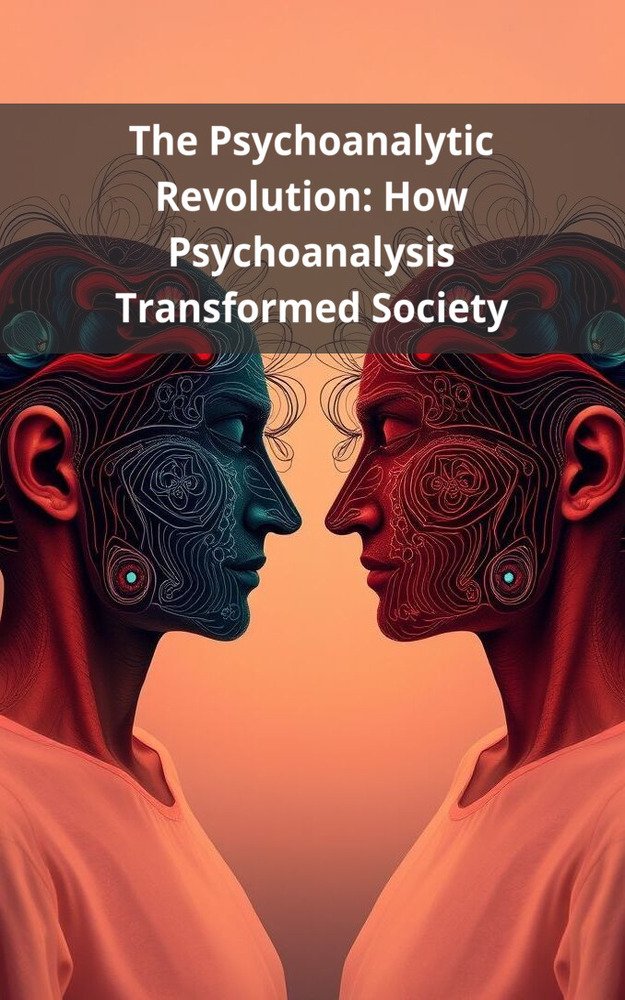
Description
At the forefront of this movement was Sigmund Freud, the founder of psychoanalysis. Freud believed that the unconscious mind played a significant role in shaping human behavior and that by understanding these unconscious motivations, we could better address the social and psychological problems of our time. Inspired by Freud’s ideas, a cohort of psychoanalysts, including Wilhelm Reich, Erik Erikson, Karen Horney, Erich Fromm, and Helene Deutsch, dedicated their lives to using psychoanalysis as a tool for social transformation.
These psychoanalysts recognized that mental health and social well-being are inextricably linked. They advocated for policies that addressed the underlying social and economic factors contributing to mental distress, such as poverty, discrimination, and oppression. They also worked tirelessly to destigmatize mental illness and promote mental health awareness.
Psychoanalytic activism played a crucial role in advancing gender equality. Psychoanalysts challenged traditional gender roles and norms, highlighting the psychological impact of gender oppression on both women and men. They contributed to the women’s suffrage movement and supported efforts to promote equal opportunities for women in education, employment, and politics.
Furthermore, psychoanalytic activism had a transformative effect on the field of education. Psychoanalysts recognized the importance of early childhood experiences in shaping personality and behavior. They advocated for educational reforms that emphasized the emotional and psychological well-being of children. They also developed new approaches to teaching and learning that took into account the unique needs and abilities of each child.
The influence of psychoanalytic activism extended beyond the boundaries of individual nations. Psychoanalysts played a significant role in promoting peace and reconciliation in the aftermath of World War II. They helped to establish international organizations dedicated to fostering dialogue and understanding among different cultures and ethnic groups.
This book is a testament to the power of psychoanalysis as a force for positive social change. It sheds light on the remarkable contributions of psychoanalytic activists who dedicated their lives to creating a more just and equitable world. Their legacy continues to inspire new generations of psychoanalysts and social activists to work towards a better future for all.
If you like this book, write a review!
Language : English
Dimensions : 6 x 9 inches
Pages : 190 pages
Pasquale De Marco stands as a prolific author whose literary prowess knows no bounds. With a passion for storytelling that transcends genres, he has made a name for himself as a versatile writer with the extraordinary ability to captivate readers across diverse literary landscapes. His journey as an author is marked by an insatiable curiosity, a love for the written word, and a relentless commitment to sharing knowledge and experiences with the world.
Pasquale De Marco collaborates with a dedicated team of ghostreaders who assist him in evaluating and editing the manuscripts. His collaborators are not only skilled professionals but also avid readers who purchase and read books as a personal hobby. This unique blend of creativity allows Pasquale to push the boundaries of traditional publishing, making literature more accessible and diverse.




Reviews
There are no reviews yet