
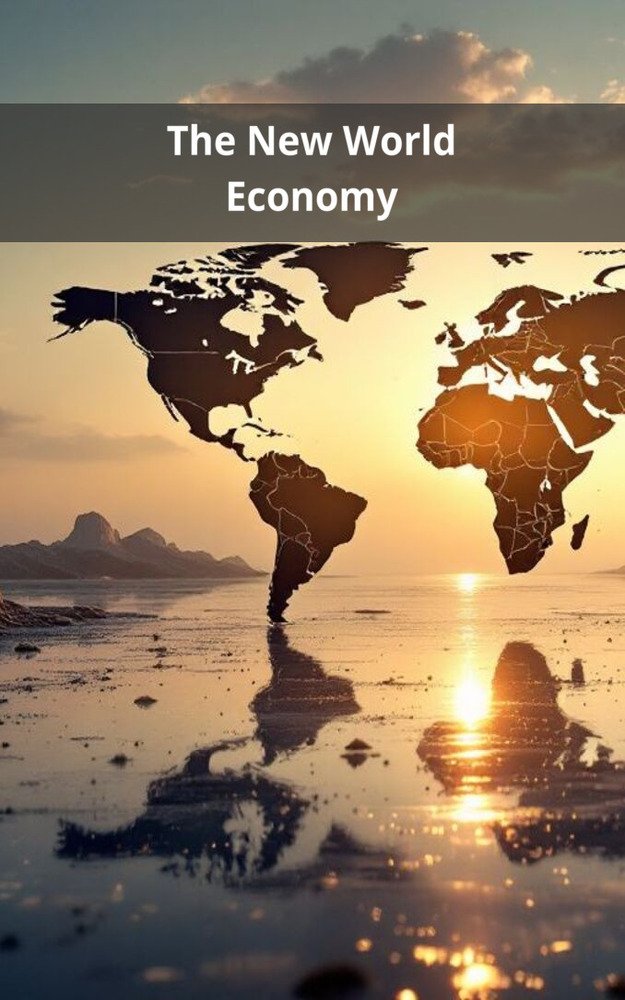
Description
Globalization has undoubtedly fueled economic growth and interconnectedness, enabling countries to specialize in production and trade, leading to increased efficiency and prosperity. However, it has also brought to light widening inequalities, as certain regions and populations have disproportionately benefited from these processes. The rise of global supply chains has also raised concerns about labor exploitation and environmental degradation.
Globalization has also reshaped political dynamics, fostering cooperation and interdependence among countries. International organizations have emerged as key players in global governance, addressing issues such as climate change, terrorism, and pandemics. However, globalization has also heightened tensions between countries, as they compete for resources and influence.
In the cultural realm, globalization has facilitated the spread of ideas, values, and practices across borders, leading to a greater appreciation of diversity and a more cosmopolitan worldview. However, it has also raised concerns about the erosion of local identities and traditions, as well as the homogenization of global culture.
The environmental impact of globalization is undeniable. The increased movement of goods and people has contributed to carbon emissions, the depletion of natural resources, and the spread of invasive species. Globalization has also exacerbated the loss of biodiversity and the degradation of ecosystems.
Technological advancements have been a driving force behind globalization, enabling the rapid flow of information and communication. The internet, social media, and mobile technologies have transformed the way we live, work, and interact with the world. However, the digital divide continues to hinder equitable access to these technologies, exacerbating existing inequalities.
Globalization has also had a profound impact on social structures and relationships. Migration and immigration have increased, leading to more diverse and multicultural societies. However, these shifts have also brought challenges, such as social unrest, discrimination, and xenophobia.
This book concludes with a thought-provoking exploration of the future of globalization and its implications for humanity. Pasquale De Marco examines potential scenarios and offers insights into how we can shape globalization to promote a more just, equitable, and sustainable world.
If you like this book, write a review!
Language : English
Dimensions : 6 x 9 inches
Pages : 217 pages
Pasquale De Marco stands as a prolific author whose literary prowess knows no bounds. With a passion for storytelling that transcends genres, he has made a name for himself as a versatile writer with the extraordinary ability to captivate readers across diverse literary landscapes. His journey as an author is marked by an insatiable curiosity, a love for the written word, and a relentless commitment to sharing knowledge and experiences with the world.
Pasquale De Marco collaborates with a dedicated team of ghostreaders who assist him in evaluating and editing the manuscripts. His collaborators are not only skilled professionals but also avid readers who purchase and read books as a personal hobby. This unique blend of creativity allows Pasquale to push the boundaries of traditional publishing, making literature more accessible and diverse.




Reviews
There are no reviews yet